
The evolution of gambling from ancient rituals to modern casinos
Ancient Beginnings of Gambling
The origins of gambling can be traced back to ancient civilizations, where it played a significant role in cultural and religious practices. Archaeological findings suggest that as early as 3000 BC, the Chinese were using rudimentary forms of gambling with dice made from bone and ivory. Similarly, ancient Egyptians engaged in betting on various events, often incorporating these activities into religious rituals. For those looking to experience modern options, you can easily find payid pokies online, which enhance the thrill. These early forms of gambling laid the groundwork for the more complex systems that would emerge in later years.

As societies evolved, so did the ways in which they engaged in gambling. The Romans, for instance, introduced the concept of betting on gladiatorial contests, which not only heightened the thrill of the games but also established a socio-economic framework for wagering. These events attracted large crowds, and the stakes grew higher, fostering an environment where gambling became a form of entertainment, intricately linked to the social fabric of the time.
Gambling practices were often intertwined with the whims of the gods, leading to a blend of chance and spirituality. In ancient Greece, gambling was associated with the goddess Tyche, symbolizing fortune and fate. This connection emphasized the unpredictability of outcomes, making gambling not only an act of chance but a ritualistic endeavor where players sought divine favor in their quests for wealth and success.
The Rise of Gambling in Medieval Times
The Middle Ages marked a transformative period in the evolution of gambling, as games began to formalize into structured activities. By the 12th century, various card games emerged across Europe, and gambling houses began to spring up in towns and cities. The introduction of playing cards revolutionized the gambling landscape, allowing for a variety of games that appealed to different classes of society. This diversification made gambling increasingly accessible and socially acceptable.
With the establishment of royal courts, gambling became a favored pastime among nobility, often serving as a means of socializing and establishing alliances. Tournaments and contests further fueled the excitement, with wagers placed on outcomes that could determine not only financial gain but also honor and reputation. The nobility’s engagement with gambling contributed to its legitimacy, allowing it to flourish within more structured environments like taverns and public houses.
As gambling gained popularity, it also attracted scrutiny from religious institutions that viewed it as morally questionable. Despite attempts to ban or regulate these activities, gambling continued to thrive, often leading to the establishment of various gambling regulations. This tension between acceptance and prohibition ultimately shaped the future of gambling, influencing how it would evolve in the coming centuries and setting the stage for the modern gaming industry.
Transition to Organized Gambling and Casinos
The 17th and 18th centuries marked the dawn of organized gambling, with the establishment of the first modern casinos. The Casino di Venezia, opened in Italy in 1638, is often recognized as the world’s first official casino. This establishment formalized gambling by creating a controlled environment where individuals could place bets and enjoy various games, from card games to dice. The concept quickly spread across Europe, with cities like Monte Carlo and Baden-Baden becoming synonymous with luxury and high-stakes gambling.
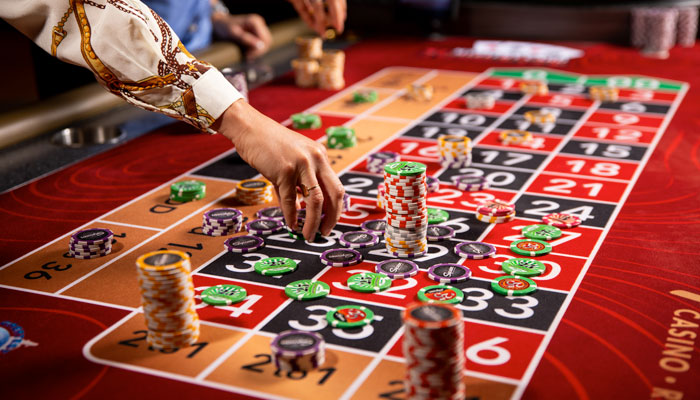
During this period, gambling also became synonymous with the burgeoning idea of leisure and entertainment. The rise of the middle class and the expansion of travel allowed more people to engage in gambling activities. This era saw the introduction of games like roulette and baccarat, which not only captivated players but also added a layer of sophistication to the gambling experience. Casinos became grand venues, blending architectural beauty with the thrill of chance.
As casinos flourished, they began to adopt elaborate marketing strategies to attract clientele. From lavish entertainment to exclusive memberships, these establishments transformed into social hubs where gambling was a central attraction. The integration of dining and shows created a full-scale entertainment experience, and it became clear that gambling was no longer just a pastime but an essential aspect of social life in many cultures.
The Digital Revolution and Online Gambling
The advent of the internet revolutionized gambling, opening up a new frontier that would forever change the landscape. The late 20th century saw the introduction of online casinos, allowing players to gamble from the comfort of their own homes. Initially met with skepticism, online gambling quickly gained traction as software advancements made it possible to replicate the casino experience digitally. Players could access a wide variety of games, often with enticing bonuses and promotions.
As technology continued to evolve, so did the online gambling experience. Mobile gaming emerged, enabling players to place bets on their smartphones and tablets, creating a convenient and accessible way to engage in gambling. The rise of live dealer games further blurred the lines between online and land-based casinos, as players could experience real-time gaming with live dealers via streaming technology. This innovation brought a level of authenticity that many believed could not be achieved in a digital environment.
However, the growth of online gambling also raised concerns regarding regulation, security, and responsible gaming. Governments began implementing stringent regulations to protect players, ensuring fair play and safeguarding against fraud. The expansion of online gambling platforms led to a diverse range of games and betting options, catering to various preferences and demographics, ultimately creating a global community of online gamblers.
The Future of Gambling: Trends and Innovations
The future of gambling is poised for significant transformation, driven by continuous innovation and changing consumer preferences. Technological advancements such as virtual reality (VR) and augmented reality (AR) are beginning to reshape the gambling experience, offering immersive environments that mimic the sensation of being in a physical casino. These technologies promise to enhance player engagement and create unique experiences that transcend traditional gambling.
In addition to technological innovations, the growing acceptance of esports and online betting is attracting a new generation of gamblers. With tournaments and competitive gaming gaining popularity, betting on esports has become a lucrative market, offering diverse opportunities for both casual and serious players. This shift reflects broader societal changes in entertainment consumption, where traditional notions of gambling are being redefined.
Moreover, the focus on responsible gambling and player welfare is likely to continue to shape industry practices. Casinos and online platforms are increasingly implementing measures to promote safe gambling, such as self-exclusion programs and responsible gaming tools. As the gambling landscape evolves, balancing excitement and entertainment with ethical considerations will be crucial for sustaining growth and maintaining trust among players.
About this Website
This website serves as a comprehensive resource for individuals interested in the intricacies of gambling, from its ancient origins to contemporary practices. We aim to provide readers with insightful articles, expert analyses, and engaging content that captures the dynamic evolution of gambling. Whether you are a seasoned player or new to the world of gaming, our platform seeks to enhance your understanding and appreciation of this fascinating subject.
By staying updated on the latest trends, innovations, and regulations, we empower our readers to make informed decisions regarding their gambling experiences. Our commitment to promoting responsible gaming and ethical practices is at the forefront of our mission. Join us as we explore the multifaceted world of gambling, celebrating its rich history and exciting future.

Leave A Comment